
#Pantry
6 Artikel · #pantry
Alle Tags ansehen →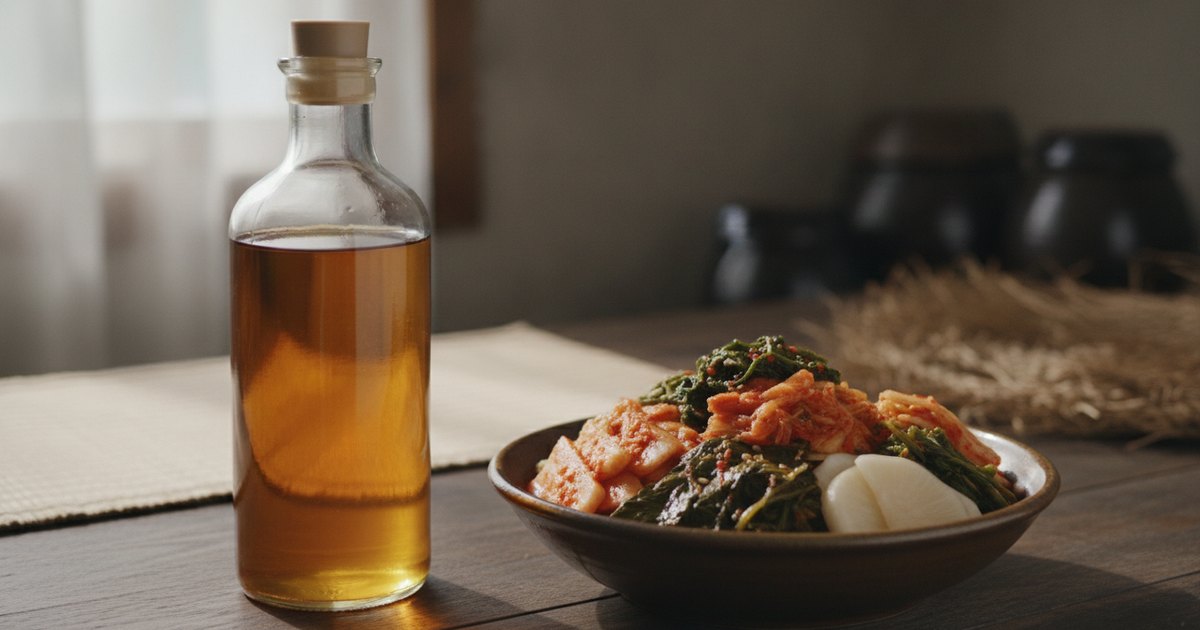 Zutaten
 Korean Rice Vinegar (쌀식초): Types, Uses, and the Best Substitutes
Your complete guide to Korean rice vinegar (쌀식초): types, flavor profile, cooking uses in kimchi and banchan, and the best Western substitutes.
 Zutaten
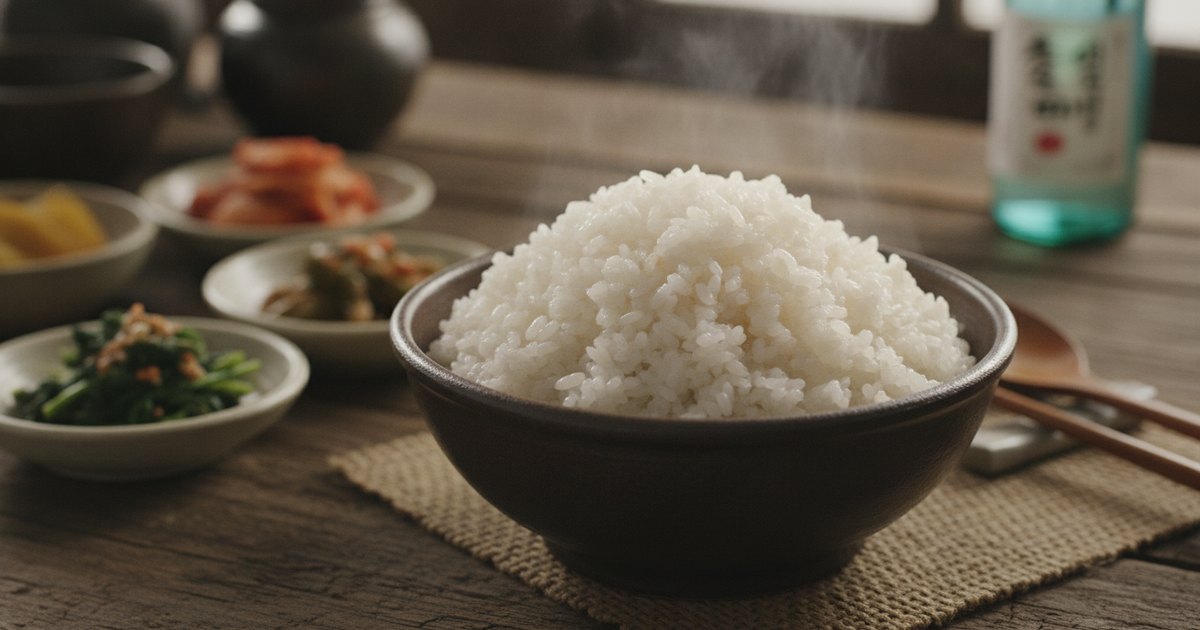
 Korean Short-Grain Rice: How to Cook It Perfectly Every Time
Master Korean short-grain rice with our complete guide: washing, soaking, water ratios, stovetop & rice cooker methods, and troubleshooting tips.
 Zutaten
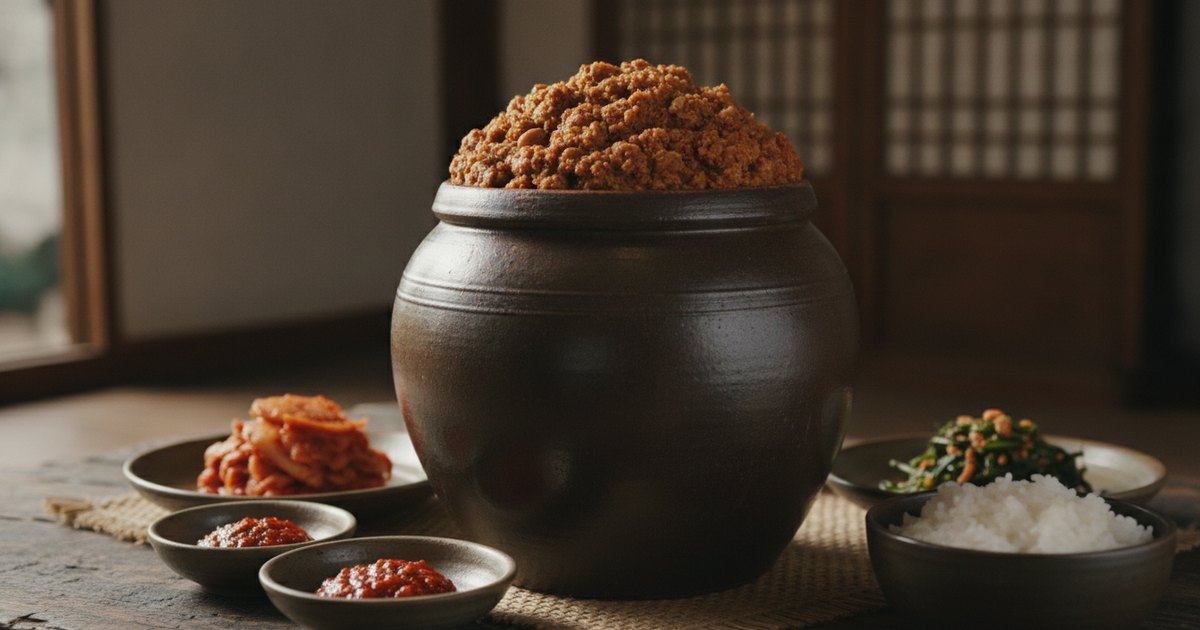
 Doenjang Guide: Korean Fermented Soybean Paste Explained
Everything Western home cooks need to know about doenjang — Korea's UNESCO-recognized fermented soybean paste — from history to how to cook with it.
 Zutaten
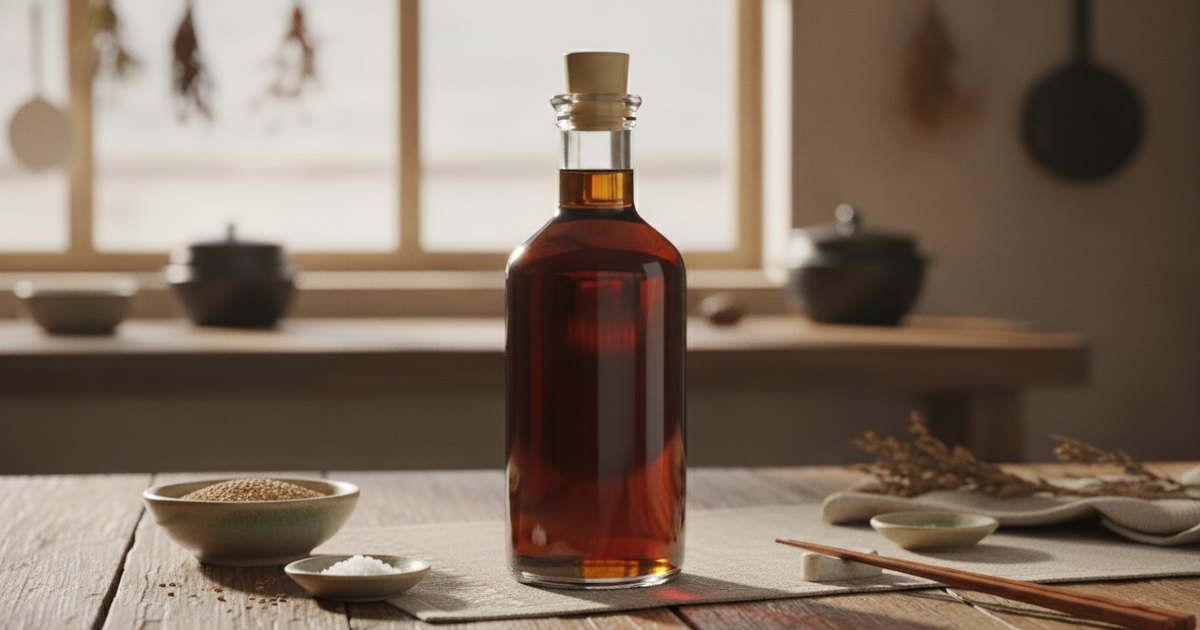
 Korean Sesame Oil: Why It Tastes So Completely Different
Korean chamgireum (참기름) has a deeper, smokier, more intense flavour than other sesame oils. Here's the science and history behind it — and how to use it.
 Zutaten
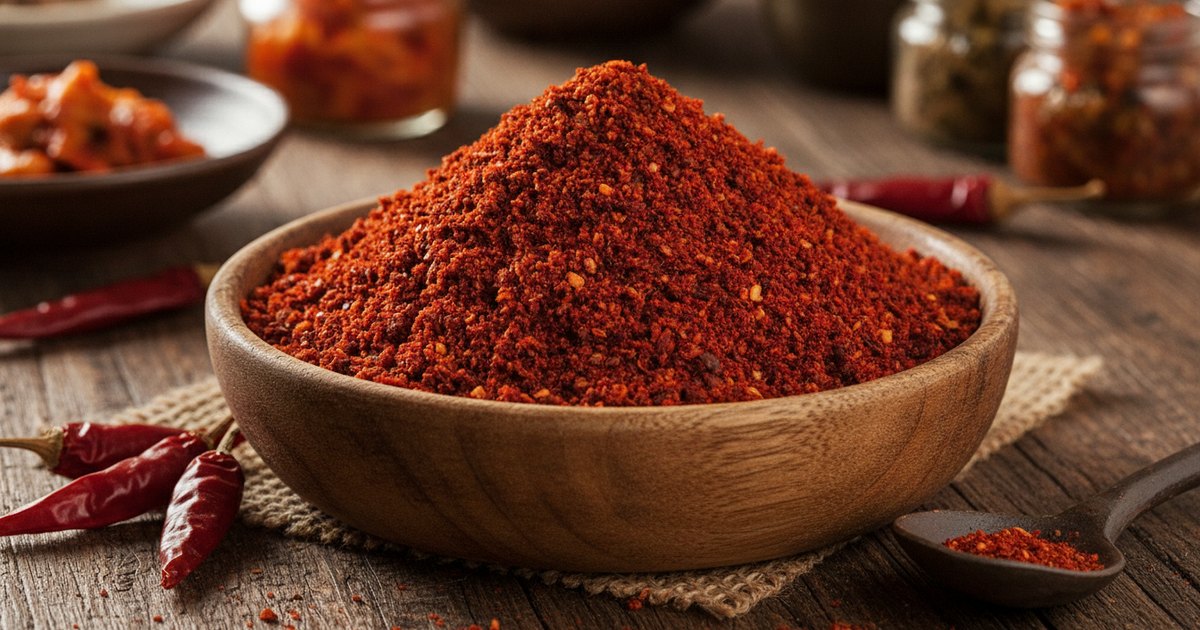
 Gochugaru Guide: Everything You Need to Know About Korean Red Pepper Flakes
Your complete guide to gochugaru — the Korean red pepper flakes behind kimchi, tteokbokki, and more. Learn grades, substitutes, storage, and cooking tips.
 Zutaten
 Koreanische Sojasoßen-Typen erklärt: Jin Ganjang vs. Guk Ganjang vs. Yangjo Ganjang
Verwirrt von koreanischen Sojasoßen-Etiketten? Den echten Unterschied zwischen Guk-, Yangjo- und Jin-Ganjang lernen — und welche Flasche für welches Gericht.